MICAS International Symposium convenes global scholars to examine Architecture, Heritage and the Contemporary Art Institution
MICAS hosts two days of focused inquiry into how contemporary art institutions emerge within historically layered environments – and what public aspiration demands of them
FLORIANA, Malta – The Malta International Contemporary Art Space (MICAS) concluded its inaugural International Symposium on June 19, bringing together architects, historians, curators and museologists from Harvard University, ETH Zurich, the Sorbonne and IUAV Venice for two days of focused inquiry into how contemporary art institutions emerge within historically layered environments – and what public aspiration demands of them.
Held across two sessions at MICAS, the symposium addressed questions on how architecture engages existing spatial and material structures to produce new forms of institutional presence, and what role the museum plays within the civic life of small states.
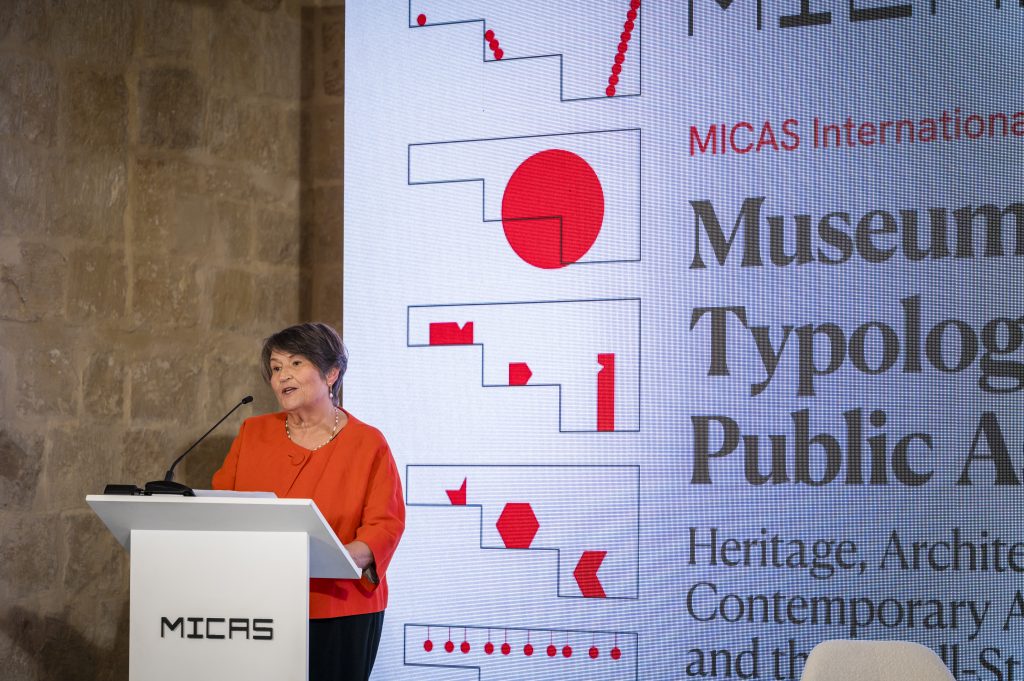
MICAS Executive Chairperson Phyllis Muscat
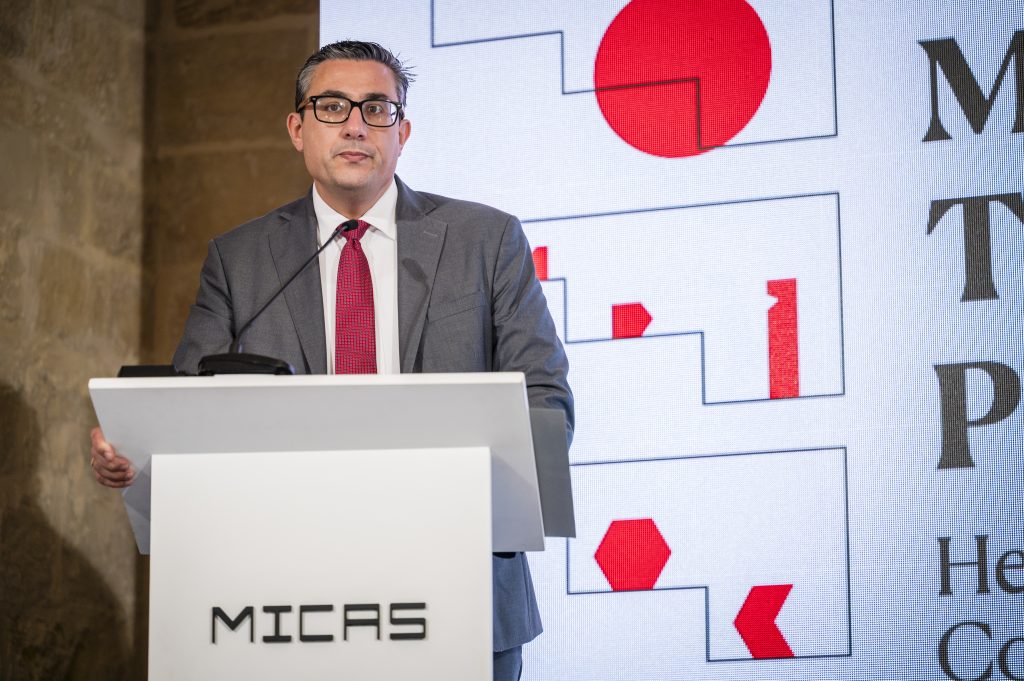
Minister for the Arts, Malcolm Paul Agius Galea
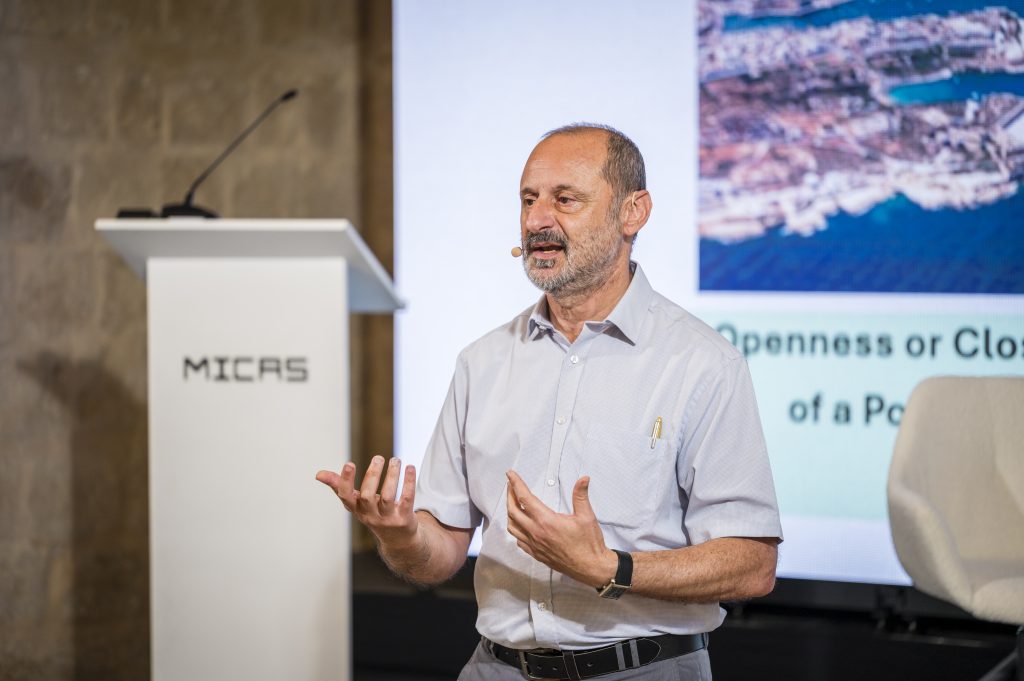
Prof. Godfrey Baldacchino
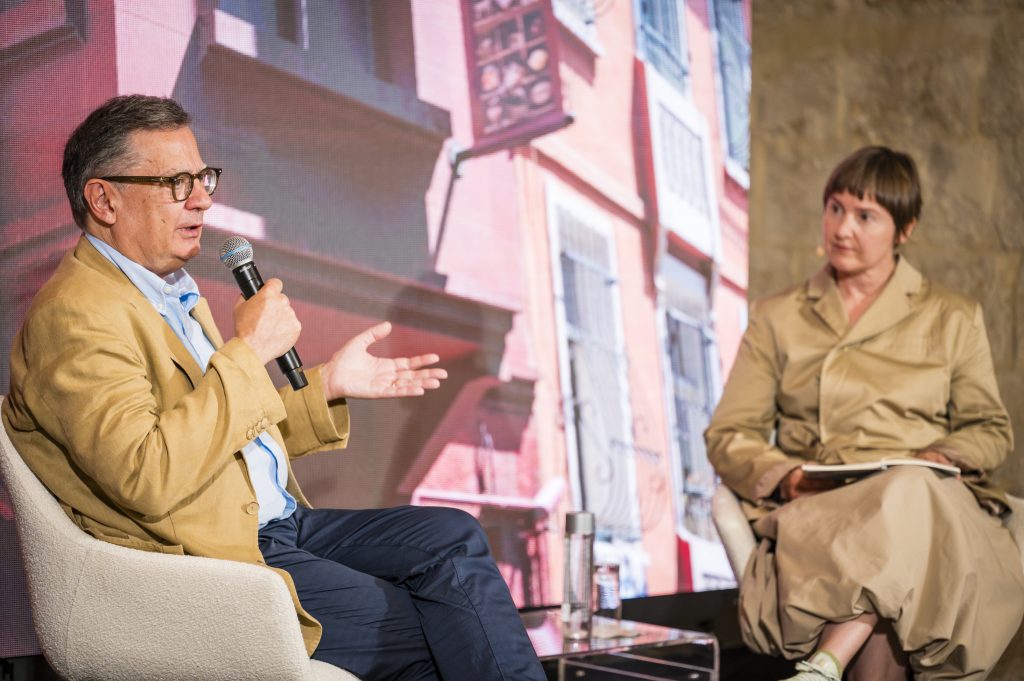
Prof. Dominique Poulot (left) with Vicki Richardson
Prof. Marco Mulazzani
Prof. Carlo Terpolilli
Dr Georgina Portelli
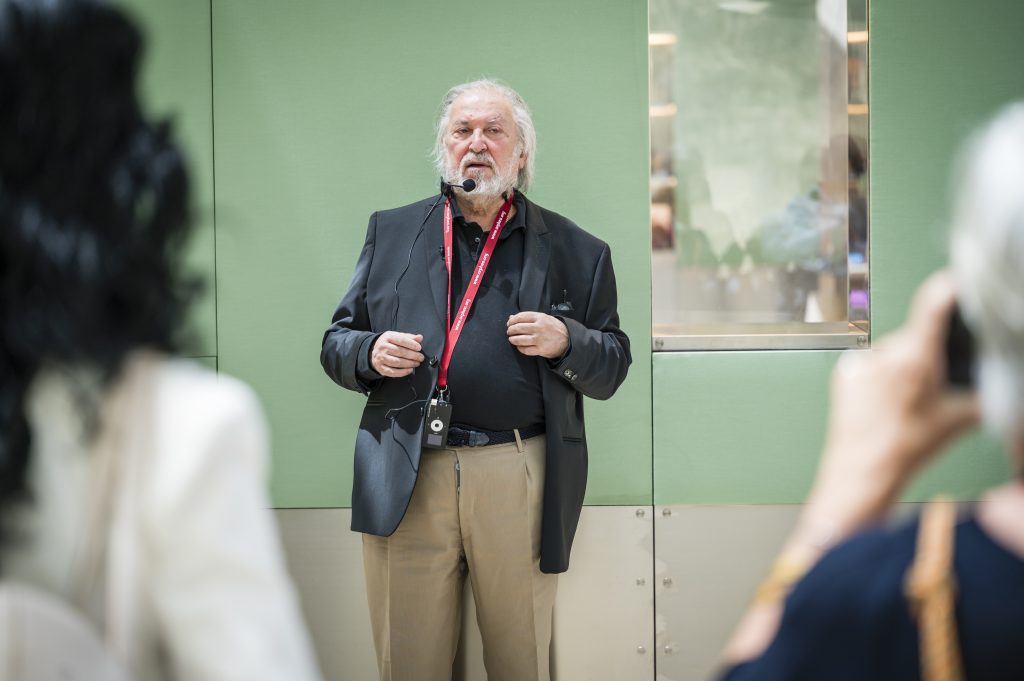
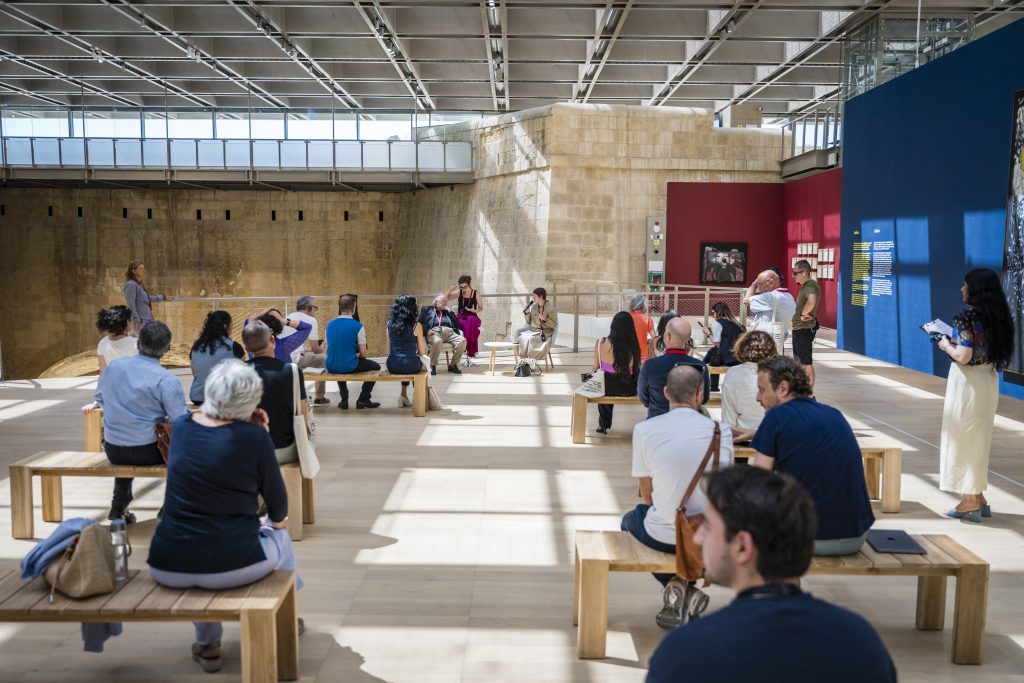
Attendees during the MICAS architectural walkthrough led by Prof. Carlo Terpolilli
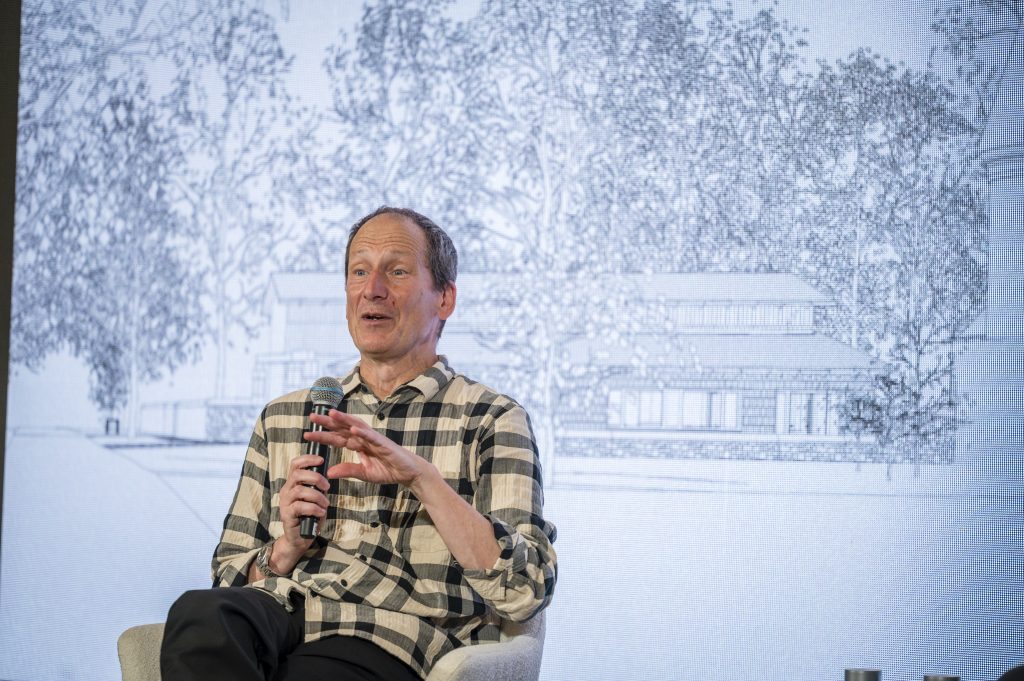
Prof. Adam Caruso
Day one opened with Prof. Godfrey Baldacchino (University of Malta) proposing MICAS as a site of “inbetweenity” – neither simply open nor closed, but occupying the threshold between the harbour’s exposure to the world and the defensive logic of the fortifications that surround it. Drawing on the historical movement of Malta’s capital from inland Mdina to coastal Valletta, Baldacchino argued that what was once built to bar entry – the Floriana Lines – can be reinvented as a place of exchange and cultural agency, like MICAS.
Prof. Dominique Poulot (University of Paris I Panthéon-Sorbonne) examined the proliferation of museum models at diverse territorial scales – from community institutions to national museums reshaped by decolonisation – and the resulting retreat from grand civic narratives. He pressed MICAS to articulate its social mission clearly amid competing institutional demands, citing inclusivity, equity and transparency as the defining challenges facing the contemporary museum.
Dr Georgina Portelli, MICAS Deputy Chair and convenor of the symposium, traced the three founding conditions that shaped MICAS’s architectural response: the requirement to maintain the legibility of the multiple historical registers present on site, from the Knights of St John through colonial British rule to the shrapnel marks of wartime bombardment, while retaining visual relationships with the harbour and the cityscape, and without affixing anything to the bastion walls. These constraints, Portelli argued, were not obstacles but the generative logic of the project. As a result MICAS was turned into a calculated experiment still in progress.
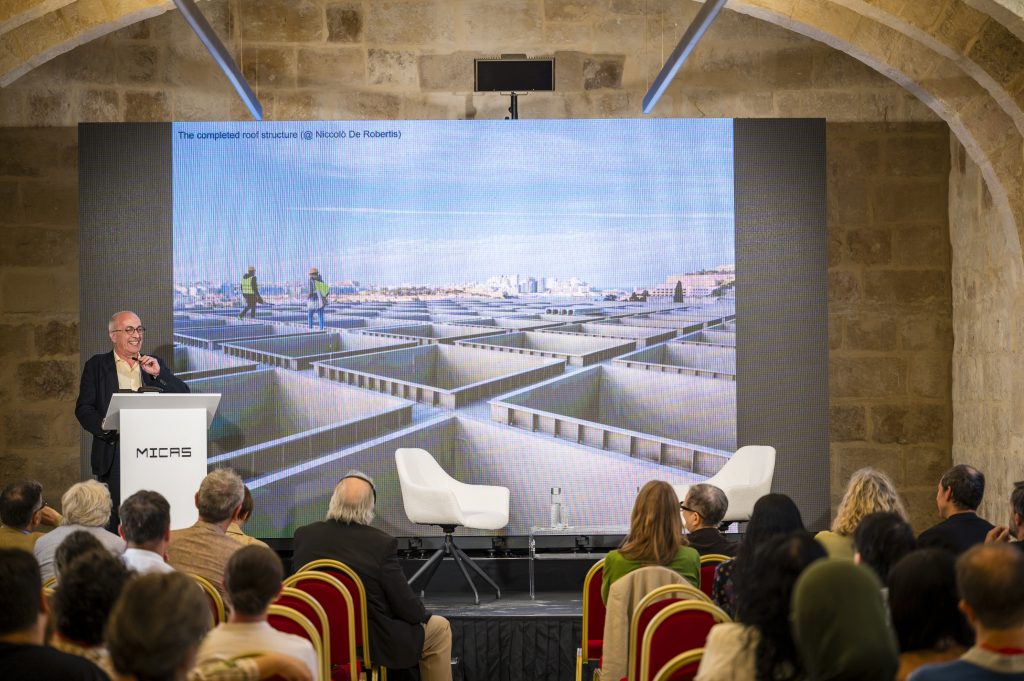
An architectural walkthrough led by Prof. Carlo Terpolilli (University of Florence, Ipostudio Architetti), architect of the MICAS galleries, together with Prof. Marco Mulazzani, gave participants a direct encounter with the excavated landscape from which the project grew – the exposed rock in the Ritirata and the Cartesian roof that unifies the complex without imposing on the fortifications beneath it.
Day two opened with Prof. Alina Payne (Harvard University, Villa I Tatti) examining the museum as a form of architectural statement – from the confidence of Bilbao and Sydney to the subtler gestures of cities embedded in dense historical fabric. On an island that is itself a monument, Payne argued, MICAS presents not a grand gesture of modernity but a respectful acknowledgement of where Malta stands: a grid ceiling that mirrors Valletta’s own topography, with a building that personified a gentle ‘secret’ behind Floriana’s defensive lines.
Edith Devaney, MICAS Artistic Director, drew on two decades of curatorial experience at the Royal Academy of Arts to examine how gallery architecture shapes the presentation and reception of art – and how the absence of conventional infrastructure at MICAS became an asset, compelling artists to engage with the excavated space on its own terms. Her account of Joana Vasconcelos’s opening exhibition and subsequent programmes illustrated how architecture and programme can generate genuinely different readings of the same works across venues.
Francesco Dal Co, Professor Emeritus (IUAV), compared strategies on museums’ ‘second lives’ by focusing on Carlo Scarpa and the reconstruction of Castelvecchio in Verona, and Hans Döllgast with the teconstruction of the Alte Pinakothek in Munich.
Prof. Adam Caruso (ETH Zurich, Caruso St John Architects) closed the formal sessions with a provocation: that architecture must disengage from the logics of monumentality, canon and problem-solving that have aligned it with the service of power and capital, and instead orient itself toward maintenance, repair and the reinforcement of existing physical and social networks.
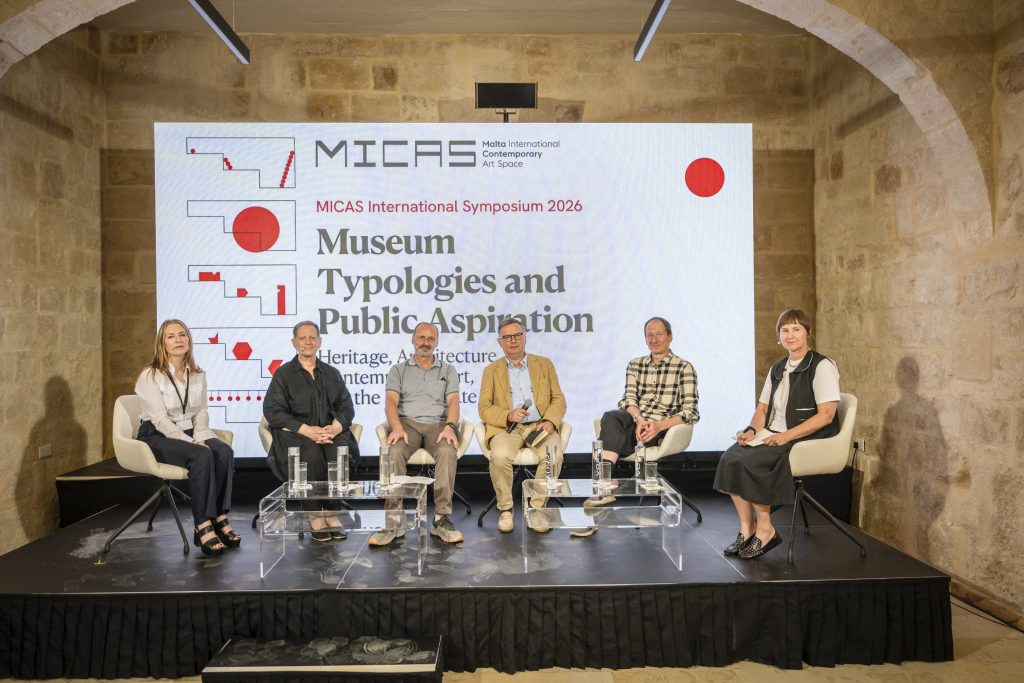
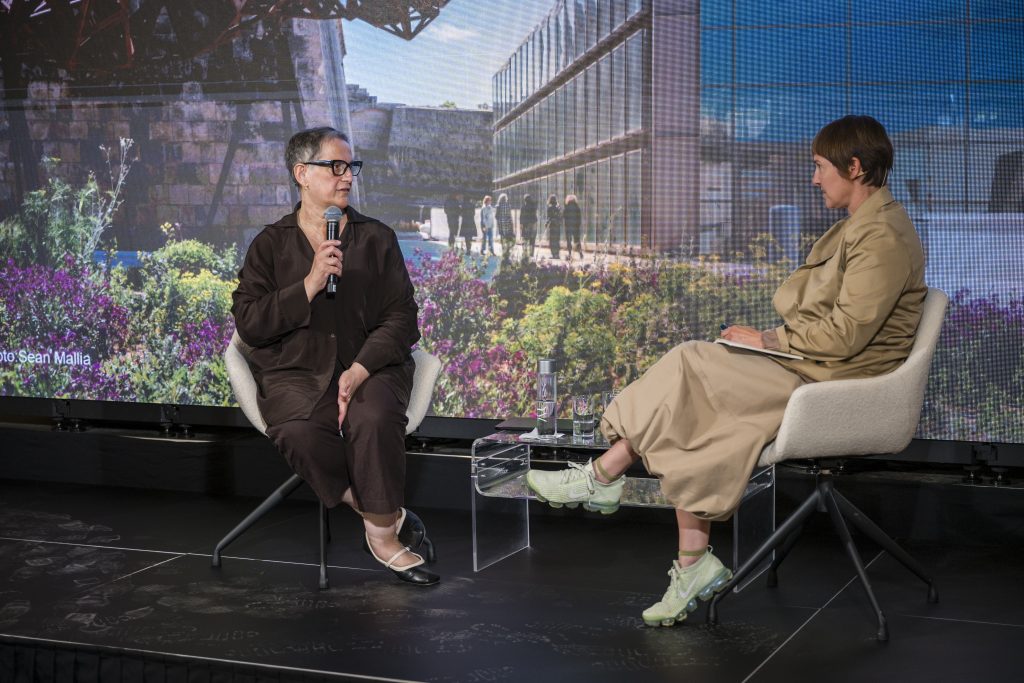
A closing synthesis roundtable, moderated by curator and writer Vicky Richardson (formerly Head of Architecture at the Royal Academy of Arts), drew the perspectives of all speakers into open critical conversation – on accountability, censorship, public agency and what a museum of MICAS’s scale owes to the society that surrounds it.