Reggie Burrows Hodges: From the Getty to Malta’s contemporary stage
A deep admirer of historic European painting, Reggie Burrows Hodges creates a new series of paintings inspired by the art of father-and-daughter painters Orazio and Artemisia Gentileschi in the Getty’s collection
In a compelling transatlantic dialogue between past and present, Reggie Burrows Hodges continues to deepen his engagement with art history through a body of work that bridges Old Master painting and contemporary lived experience.
Recently, his research into the dramatic visual language of father-and-daughter painters Orazio Gentileschi and Artemisia Gentileschi – encountered in the collection of the Getty Museum – has informed a striking series that examines violence, drama, and narrative tension in 17th-century painting.
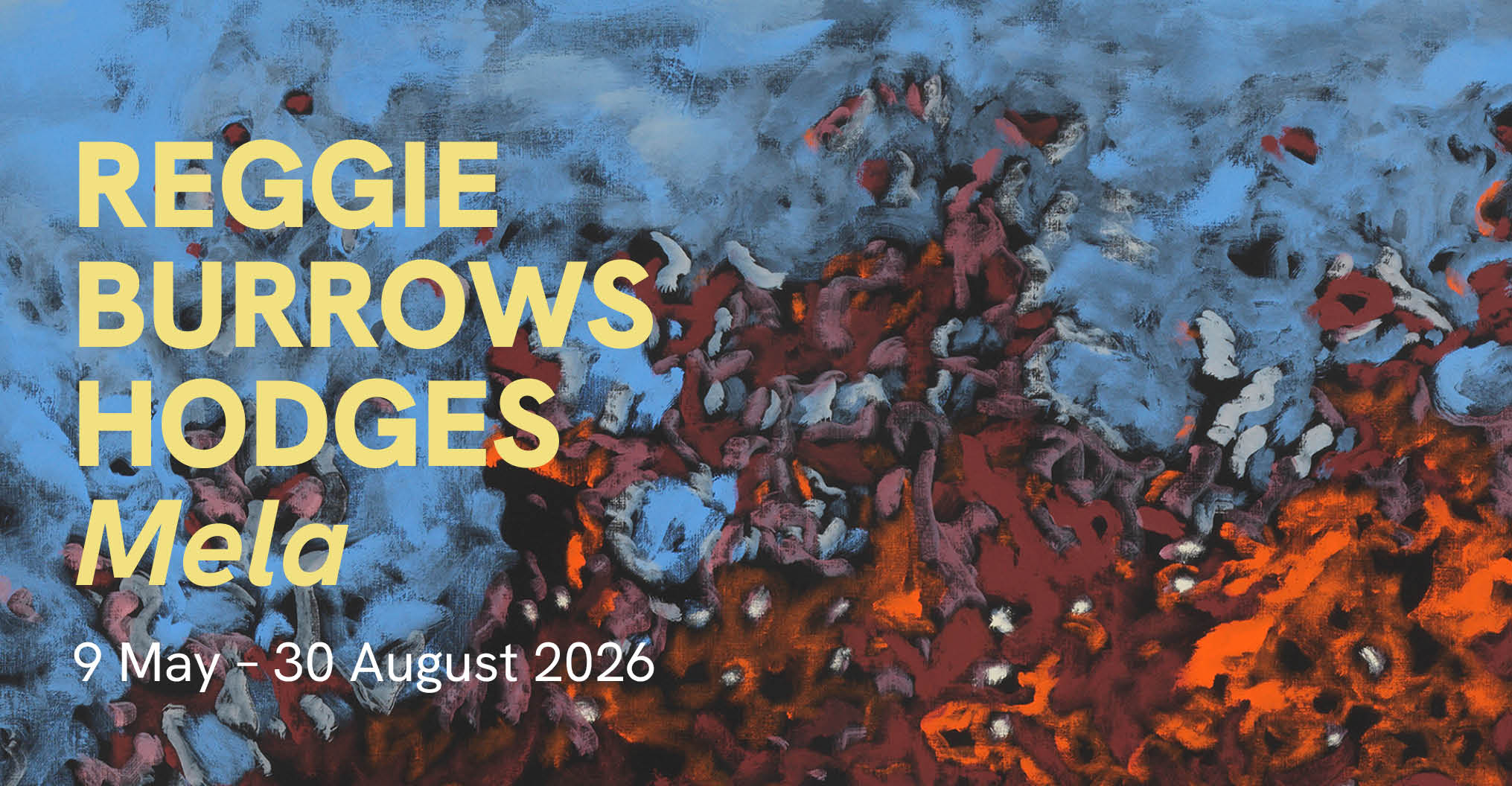
This exploration finds a powerful continuation in Reggie Burrows Hodges: Mela, Hodges’ landmark exhibition at MICAS, and his first solo presentation in Europe. Running from 9 May to 30 August 2026, the exhibition brings together over 30 new works developed during the artist’s residency in Malta – his most ambitious body of work to date.
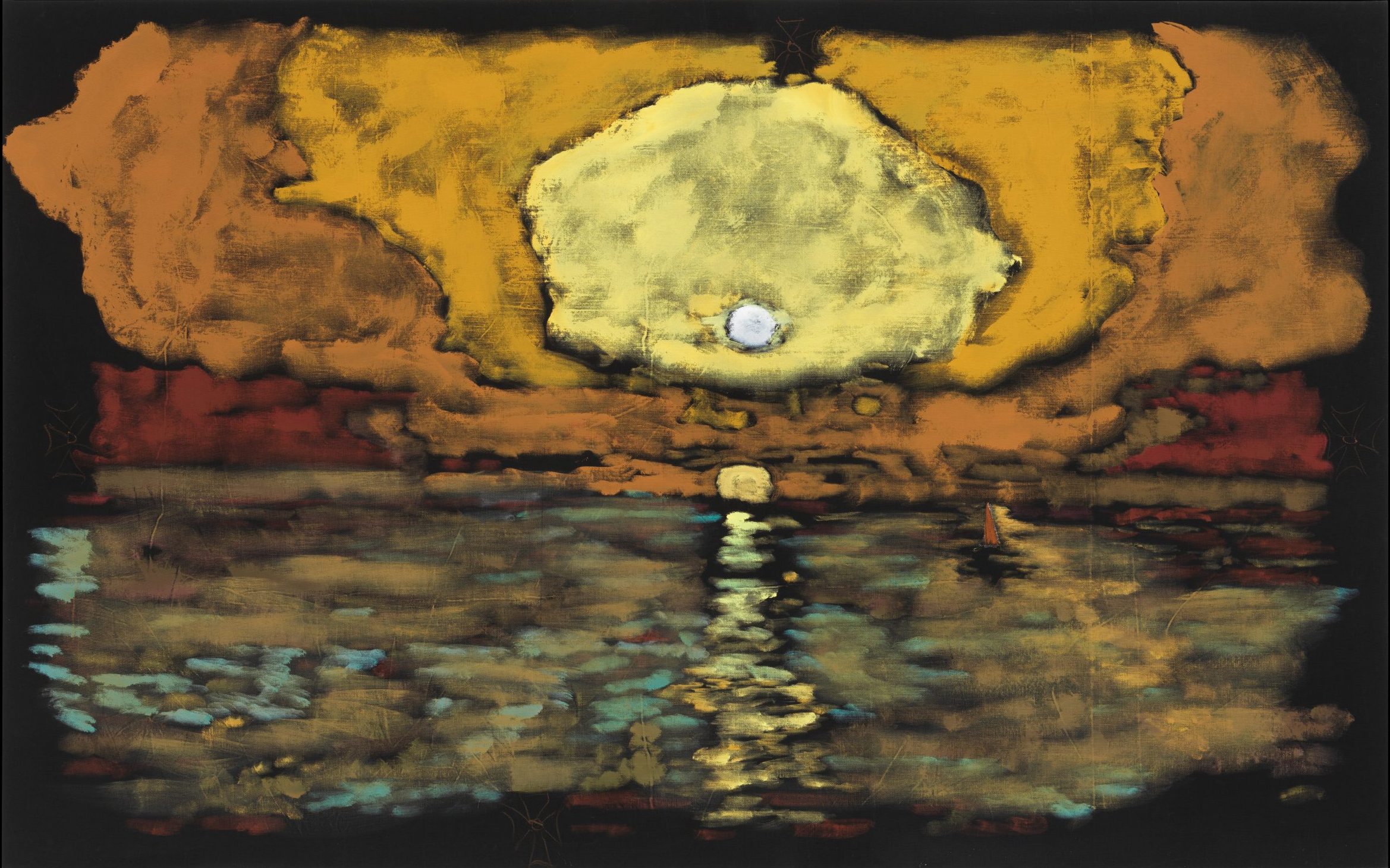
Curated by Edith Devaney, Reggie Burrows Hodges: Mela unfolds across MICAS’s four gallery floors, situating Hodges’ distinctive painterly language within the island’s layered cultural and historical landscape. Known for building compositions from deep black grounds, Hodges allows figures and environments to emerge gradually, privileging atmosphere over strict realism.
As with the emotional intensity he has identified in the works of the Gentileschis, in Malta, Hodges’ sensitivity to drama and narrative finds new resonance. A monumental, site-specific painting responds directly to Caravaggio’s The Beheading of Saint John the Baptist, reinterprets its scale and compositional gravity through a contemporary lens. Elsewhere, his ongoing ‘Labor’’ series turns its focus to Malta’s construction workers, embedding themes of endurance and dignity within the island’s rapidly evolving built environment.
The MICAS exhibition will include Hodges’ seascapes, drawing on the Mediterranean’s visual and symbolic presence. Buoys, shorelines, and bathing rituals appear as recurring motifs in this maritime tapestry – an extension of Hodges’ long-standing interest in the intersection of place and memory.
Reflecting on the project, Hodges describes Mela as “a poem to Malta” – a fitting characterisation for an exhibition that synthesises his engagement with art history at institutions.